About Us
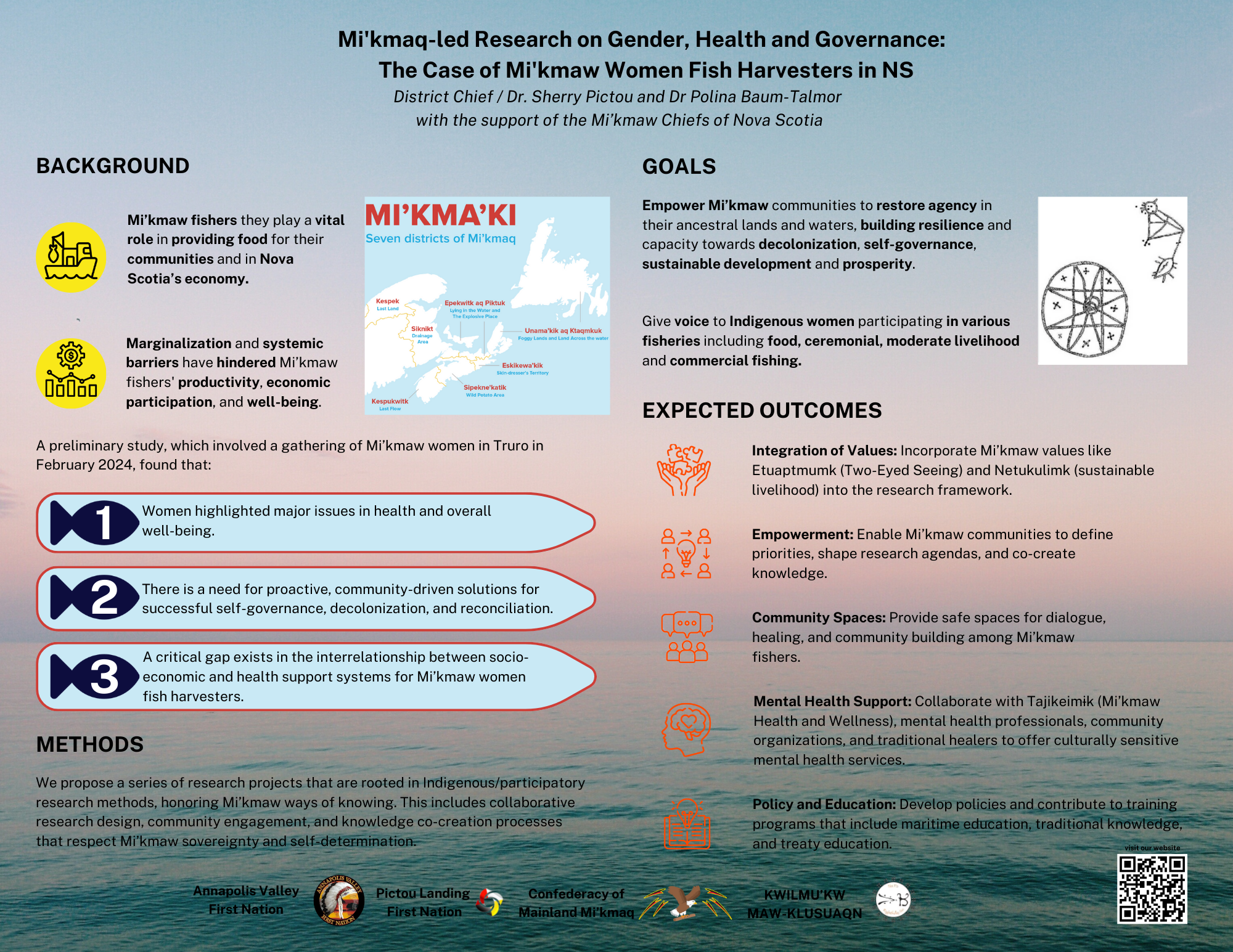
Our research lab, led by Dr. Sherry Pictou, engages with communities on a range of topics; these topics span discussions on Indigenous governance, decolonizing treaty relations, social justice for Indigenous women and 2SLBGTQ+ persons, Indigenous gender roles in food and lifeways, and Indigenous knowledge and food systems.
Our commitment to advancing these topics extends to ethical and collaborative engagement with communities and emphasizes meaningful connections both locally and globally. Located in Mi’kma’ki, our lab is deeply rooted in ethical and meaningful engagement with Mi’kmaw communities of First Nations, while also fostering collaborations with communities at a global scale.
Under Dr. Pictou’s guidance, our lab engages with Indigenous land and water-based governance, Indigenous and small-scale fisheries movements, Indigenous food systems and sovereignty, Indigenous land-based learning practices, decolonization and resurgence, multi-scalar Indigenous peoples’ movements, human and planetary health and wellbeing, and sustainable use policy and practices.
Dr. Pictou and her team’s research interests are diverse. In our small but growing research lab, we strive to deepen our understanding of these topics, amplify and support local knowledge, and contribute meaningful insights to the broader dialogue on Indigenous knowledge and governance, gendered considerations of resource extraction, and environmental policies and practices.
About Dr. Sherry Pictou 
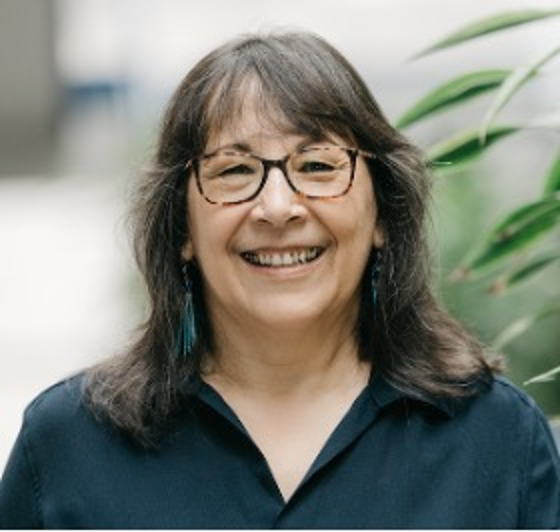
Dr. Sherry Pictou is a Mi’kmaw woman from L’sɨtkuk (water cuts through high rocks) known as Bear River First Nation, Nova Scotia where she lived most of her life. She is an accomplished Associate Professor in the Faculties of Law and Management at Dalhousie University. Holding a Tier 2 Canada Research Chair (CRC) position in Indigenous Governance, Dr. Pictou is highly revered in academia and beyond.
With an extensive background in community, she also served as an Assistant Professor in the Women’s Studies Department at Mount Saint Vincent University with a focus on Indigenous Feminism (2017-2020). Currently, she holds the title of Honorary District Chief for the Confederacy of Mainland Mi’kmaq (CMM). Her leadership roles also include being a former chief for her community and the former Co-Chair of the World Forum of Fisher Peoples.
Dr. Pictou’s contributions extend beyond academia; she is currently a member of the Global-Hub on Indigenous Peoples’ Food and Knowledge Systems. She also served on the Intergovernmental Science-Policy Platform on Biodiversity and Ecosystem Services (IPBES) Task Force on Indigenous and Local Knowledge.. Recognized for her significant achievements, she was awarded a Tier 2 Canada Research Chair in Indigenous Governance (2021–2026) and is a Co-PI in the Ărramăt: Biodiversity Conservation and the Health and Well-being of Indigenous People.
Her research focus addresses the under-representation of Indigenous women in governance and decision-making processes, particularly in the context of natural resources as evidenced by “Reclaiming Power and Place: The Final Report of the National Inquiry into Missing and Murdered Indigenous Women and Girls (2019).” By collaborating with Indigenous women, her work generates a gender-based analysis from an Indigenous perspective, contributing to Indigenous and non-Indigenous governance practices. Her research builds on a Social Sciences and Humanities Research Council (SSHRC) Partnership Engage Grant with KAIROS which was entitled “Building Indigenous–academic–not-for-profit relations for mobilizing research knowledge on the gendered impacts of resource extraction in Indigenous communities in Canada”. She is currently working with Mi’kmaw Women Fish Harvesters and the Indigenous Assembly at the World Forum of Fisher Peoples (visit for more information).
Dr. Pictou’s wide range of research interests and accomplishments encompass work on Indigenous governance, decolonizing treaty relations, social justice for Indigenous women and 2SLBGTQ+ persons, Indigenous gender roles in food and lifeways, and Indigenous knowledge and food systems. Her commitment to transformative research is evident in her extensive and highly acclaimed work across disciplines and spanning academic-community spaces.
Meet Our Lab Members
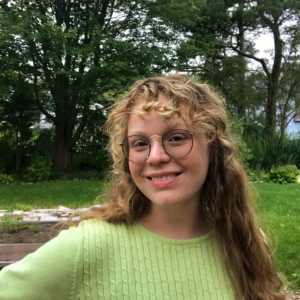
Morgan (she/her) is a settler born in the Snuneymuxw traditional territory on Vancouver Island, BC. Currently based in Kjipuktuk, she is working with Dr. Sherry Pictou as a Research Assistant Coordinator (RAC) while finishing her Master of Environmental Studies with the Community Engaged CoLab under the co-supervision of Dr. Melanie Zurba and Dr. David Busolo. Deeply interested in interdisciplinary approaches to environmental sustainability and social justice, Morgan obtained her Bachelor of Arts (BA) degree with a major in Global Studies from Vancouver Island University. Her interests lie in the nuances of environment, equity, and wellbeing using collaborative and creative research approaches. She brings her experiences engaging in community groups and artistic spaces to help create dialogues around nature and wellbeing, including coordinating a Youth Advisory Council (YAC) on climate grief. Beyond her interest in the use of artistic expressions in research and academic settings, she has also just finished writing her first poetry collection capturing her personal experiences of nature, wellbeing, art, and connection. She is currently collaborating on a project with the Immigrant Services Association of Nova Scotia (ISANS) exploring their nature-based programs offered to refugees in Mi’kma’ki which focuses on access barriers and wellbeing outcomes of these outdoor trips.
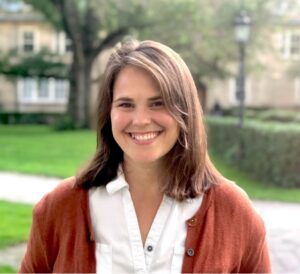
Dr. Nicole Van Lier is a critical human geographer and Killam Postdoctoral Fellow at Dalhousie University, working with Dr. Sherry Pictou at the Schulich School of Law. Broadly speaking, her research examines the racial, colonial, and capitalist relations that configure state environmental management regimes in North America. Her doctoral dissertation explored the reproduction of racial capitalism through the regulation, management, and financing of urban wastewater infrastructure across Metropolitan Detroit, and its role in deepening a racialized water affordability crisis. Her current project looks at the historical and legal evolution of entangled Indigenous and settler colonial fisheries in northern Michigan to understand how expanding Odawa and Chippewa economies and jurisdictions have reconfigured the resource management practices of the settler colonial state. She earned her PhD in Geography, with a specialization in Environmental Studies, from the University of Toronto. Her work has been published in the Annals of the American Association of Geographers, Antipode, and Capitalism, Nature, Socialism.
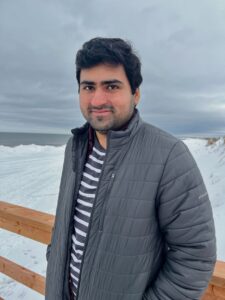
Ahmad is pursuing his Interdisciplinary PhD at Dalhousie University under the supervision of Dr. Melanie Zurba and Dr. Sherry Pictou. Ahmad completed his Master of Environmental Studies in the Community-Engaged CoLab and his thesis explored community-based co-management arrangements in Hawai’i. With a background both in the natural and social sciences, he is interested in interdisciplinary approaches to environmental crises. Ahmad completed his Bachelor of Science with majors in Environmental Sciences and Sociology and a minor in Political Science at Forman Christian College in Lahore. His research interests lie primarily in the socio-political dimensions of the environment with a close focus on issues of environmental justice and equity, Indigenous governance, climate change, and community participation in decision-making. His PhD research will focus on designing participatory governance frameworks in collaboration with Kua’aina Ulu ‘Auamo (KUA) in Hawai’i and will further build on his master’s thesis work.
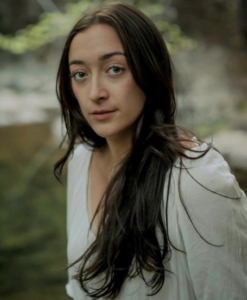
Wisunn na Sarah Prosper (she/they/nekmow), Mikmaw/L’nu e’pite’s of the Eskasoni Mi’kmaq First Nation. Sarah is a Mi’kmaq Multidisciplinary movement Artist raised in Eskasoni First Nation. An award winner of the 2022 Nova Scotia Indigenous Artist Recognition Award, Prosper performs and creates in community and on National stages in collaboration with renowned artists. Amalkewinu (dancer) holds a BSc in Therapeutic Recreation, is a MA in Leisure Studies student with Dr. Sherry Pictou as her committee member, and a proclaimed community artist of the Wabanaki East Coast. Her first work created as an artistic director and choreographer is the Merritt Award-winning show SAMQWAN in 2021-2023 at Highland Arts, Neptune, Stratford Festival and 2023 Canada Games. Dancing with Mocean Dance, Kinetic Studios, House of Eights, Painted Dance Co, Nestuita’si, and community-focused initiatives, Prosper’s community work varies between wellness and healing-focused methods specific to community needs, and shares a curated dance workshop “Moving in Mi’kma’ki.” Prosper collaborates, creates, and moves with ms+t no’kmaq, all her relations, in a fluid identity uplifting pursuit. An award winner of the 2022 Nova Scotia Indigenous Artist Recognition Award, she performs and creates on National stages in collaboration with world-renowned artists. Prosper’s practice encompasses an Indigenous/Mi’kmaq lens that deepens the threads of respect and reciprocity to dance, movement, social sciences, social justice, mental health & the land. Her work intends to connect, rebuild, and unite.
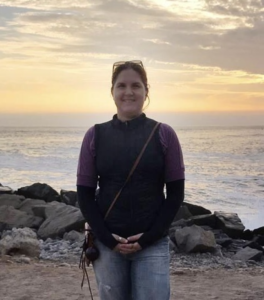
Meylin (she/her) is a Peruvian-born, mixed individual and immigrant in Canada, currently living and playing in Kjipuktuk. She is the Coordinator & Research Associate in the T3 Pathway of the Arramat project with Dr. Sherry Pictou and Dr. Tony Charles while completing her Master of Applied Health Service Research at Saint Mary’s University.
With a diverse academic background including a Master’s in Education specializing in Ecojustice and Sustainability Education, meylin holds a BSc. in Biology, an Honours in Psychology, and a Diploma in Human Rights of Women. She is also a trained horticulturist and organizational coach. Her passion for plants and dedication to supporting people’s wellbeing drive her interest in the intersections between health and nature from a global perspective.
Meylin’s interests are rooted in her upbringing in Peru and Kenya, as well as living in Canada and Bolivia. She has worked on projects focusing on conservation, education, and ecotourism, collaborating with local communities in Peru, in horticulture and botanical research in Canada, and in Bolivia, she supported initiatives for sustainable practices, empowering women in the production of natural medicines, and facilitating the development of gender strategies.
In her current role, meylin actively contributes to engaging in research exploring Indigenous perspectives on health and sustainable use, supporting the development of the strategic plan and the coordination of place-based projects. Beyond her work with T3, Meylin contributes to the Social Attitudes Lab at Saint Mary’s University, focusing on research related to mental health and Equity, Diversity, Inclusion, and Accessibility (EDIA) in organizations.
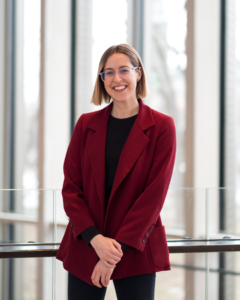
Emma Bugg (she/her) is a PhD student in Dalhousie University’s Interdisciplinary PhD program working under the supervision of Dr. Tarah Wright. Emma is working with Sherry and the T3 Arramat team to develop a literature review of Indigenous conceptualizations of “sustainable use”. She holds a Master of Environmental Studies from Dalhousie and was one of five researchers in residence contributing to the Mass Culture Arts’ Civic Impact research project. Through this project, Emma explored the intersections of art, climate change, and environmental sustainability by working in residence with CreativePEI to develop an impact framework to better understand, amplify, and enhance the contributions of the arts towards addressing the climate crisis. Prior to beginning her studies at Dalhousie University, Emma worked at the Ottawa-based non-profit Evidence for Democracy as the Communications and Campaigns Manager. She holds a Bachelor of Arts Honours from the University of Saskatchewan.
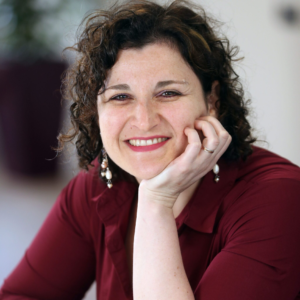
Polina is an Ocean Nexus Research Fellow, working with Dr. Sherry Pictou to advance an Indigenous land and water-based governance approach that is driven by Indigenous women’s ways of knowing focusing on women participating in fisheries. Polina is a Social Scientist with over 13 years of research experience, focusing mostly on issues relating to people and the ocean. She is a Nippon Foundation alumna, recipient of the NF-SIRC (Seafarers International Research Centre) PhD fellowship. Her PhD from Cardiff University (UK) focused on careers and labour market flexibility in global industries, using the case of seafarers. Polina also holds an MA in Anthropology, and a BA in Sociology, Anthropology and Human Resources from the University of Haifa (Israel). Polina is an Adjunct at the Marine Affairs Program (Faculty of Graduate Studies) at Dalhousie University, an Associate Fellow at the Seafarers International Research Centre (SIRC) at Cardiff University (UK), and a Research Associate at the Haifa Research Center for Maritime Policy and Strategy (Israel). Using mostly qualitative research methods, Polina’s previous research focused on equity-seeking groups, including seafarers, focusing on issues relating to labour, careers, and wellbeing. Previous research topics also include climate change and emotional wellbeing, digitalization and its impact on skills and training, seagoing labour issues, and multifaceted aspects of food in the workplace. She developed a genuine interest in seafarers after finishing her BA, which almost led to her joining the maritime industry as a Merchant Navy officer. More information can be found on https://www.linkedin.com/in/polinabaumtalmor/.
Our Work
Our Work
Upcoming Events
[fusion_events hide_recurrences=”no” past_events=”no” order=”ASC” columns=”4″ picture_size=”cover” pagination=”no” hide_on_mobile=”small-visibility,medium-visibility,large-visibility” /]